Your Home Can Respond to the Season's Rhythms
Winter mornings arrive late and leave early. By 5 PM, darkness has already settled in. You find yourself reaching for light switches more often, adjusting shades throughout the day, making small decisions that add up. Automated shading removes this mental load. Your home learns when you wake, when you need privacy, when daylight matters most. Shades rise gently each morning and lower as evening approaches—not because you programmed a strict schedule, but because your home understands the rhythm of your life during the season's shortest days.
SEE MORE: When Technology Disappears, and Life Simply Flows
The Morning Routine
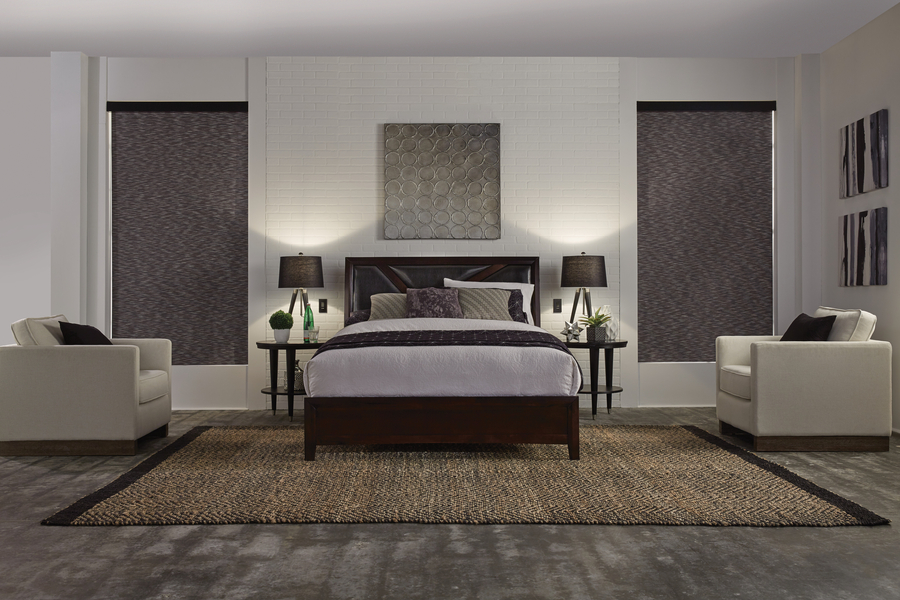
Your lights and shades work in tandem to create the ideal morning experience. Ketra lights turn on according to your preferred schedule, mirroring the sunrise to promote a healthy circadian rhythm. When your bedroom shades rise, the light fixtures dim as natural sunlight filters in. This gentle progression helps regulate your circadian rhythm during a season that disrupts it. There's no jarring alarm, no fumbling for controls—just increasing brightness that guides you awake.
The difference becomes clear within days. You wake more easily. Your energy feels steadier. Beyond the convenience, your home supports your biology. Lutron shading systems adjust with precision, responding to sunrise times that shift throughout winter. Living spaces follow their own schedule, opening to capture maximum daylight during those brief afternoon hours when the sun sits low. Each room receives light when it serves you best.
Welcoming the Evening
As daylight fades—often before dinner in January—your shades begin their descent. This signals the transition from day to evening, from activity to rest. The lowering happens gradually, room by room, creating privacy and enclosure without abruptness. At the same time, Ketra lights adjust to a warm glow, perfect for relaxation. This human-centric lighting helps you wind down in the evening, rather than confusing your circadian rhythm with harsh lights too close to bedtime.
This evening routine holds particular value during the winter months. Shades help retain warmth against cold window panes. They create that sense of shelter you crave when temperatures drop, and the wind picks up. Your living room becomes a refuge as your home recognizes the moment. The psychological effect runs deeper than comfort—it's preparation for rest, a boundary between the demands of your day and the quieter hours ahead.
Personalization & Lifestyle Integration
Your shading schedule reflects your daily life. Bedroom shades operate differently from those in your home office or kitchen. If you work from home, certain rooms tend to stay open longer to help maintain focus and energy. If you're away for a week, the system continues its pattern, creating the appearance of occupancy.
Shading integrates with lighting and temperature control. As evening shades lower, interior lights adjust to warmer tones. Your thermostat responds to covered windows, maintaining efficiency without sacrificing comfort. As seasons change and daylight hours increase, the schedule adjusts automatically—no manual reprogramming is required. Through automation systems like Savant or Josh.ai, you can override any schedule with a simple voice command or app adjustment. But most days, you won't need to. Your home already knows.
At Overture, we design homes that anticipate your needs and respond to the life you're already living. Ready to experience the difference smart shading can make? Let's start the conversation.